Table of Contents
ToggleBaby-led weaning tips can transform mealtime from stressful to enjoyable. This feeding approach skips purees and lets babies feed themselves soft, finger-sized foods from around six months of age. Parents across the globe have embraced baby-led weaning for its simplicity and developmental benefits. But where do you start? This guide covers everything new parents need to know, from readiness signs to first foods, safety essentials, and realistic expectations about the mess. Whether you’re curious or ready to immerse, these baby-led weaning tips will help you feel confident at the table.
Key Takeaways
- Baby-led weaning lets babies self-feed soft, finger-sized foods starting around six months, building motor skills and healthy eating habits.
- Look for readiness signs like sitting upright, loss of tongue-thrust reflex, and interest in food before starting baby-led weaning.
- Offer soft, nutritious first foods like avocado slices, steamed vegetables, shredded chicken, and scrambled eggs for safe self-feeding.
- Learn the difference between gagging (normal and loud) and choking (silent and dangerous), and take an infant CPR course for confidence.
- Embrace the mess by using splat mats, catch-pocket bibs, and offering small portions—sensory exploration is part of the learning process.
- Be patient: most babies explore more than they eat at first, with real progress typically showing after two to three months of baby-led weaning.
What Is Baby-Led Weaning?
Baby-led weaning (BLW) is a feeding method where babies self-feed solid foods instead of being spoon-fed purees. The term was popularized by British health visitor Gill Rapley in the early 2000s. Rather than mashing carrots or blending peas, parents offer soft, graspable pieces of food and let their baby explore.
The core idea is simple: babies control what goes into their mouths, how much they eat, and at what pace. This differs from traditional weaning, where a caregiver spoons food in. With baby-led weaning tips in mind, parents act as guides, not feeders.
Supporters of BLW point to several benefits. Babies develop fine motor skills as they grasp, pinch, and bring food to their mouths. They also learn to chew before swallowing, which can support oral development. Some research suggests baby-led weaning may encourage healthier eating habits and reduce picky eating later on.
Of course, it’s not for everyone. Some parents prefer a combined approach, mixing self-feeding with occasional spoon-feeding. That’s perfectly fine. The goal is a positive, stress-free introduction to solid foods, whatever form that takes.
Signs Your Baby Is Ready to Start
Timing matters. Most babies show readiness for solid foods around six months, but age alone isn’t the deciding factor. Developmental cues tell the real story.
Here are key signs a baby is ready for baby-led weaning:
- Sitting upright with minimal support. A baby needs good trunk control to eat safely. If they slump or can’t hold their head steady, they’re not ready.
- Loss of the tongue-thrust reflex. Young infants push food out of their mouths instinctively. When this reflex fades, they can move food to the back of their mouth to swallow.
- Interest in food. Does the baby watch others eat? Reach for food on the table? Open their mouth when food comes near? Curiosity is a strong indicator.
- Ability to grasp objects. Babies need to pick up food and bring it to their mouths. A palmar grasp (using the whole hand) works well for early baby-led weaning.
Starting too early increases choking risk and frustration. If your baby isn’t showing these signs yet, wait a week or two and reassess. There’s no rush, breast milk or formula remains the primary nutrition source through the first year.
Best First Foods for Baby-Led Weaning
Choosing the right foods makes baby-led weaning safer and more successful. The best options are soft enough to mash with gums, large enough to grip, and nutritious.
Fruits and Vegetables
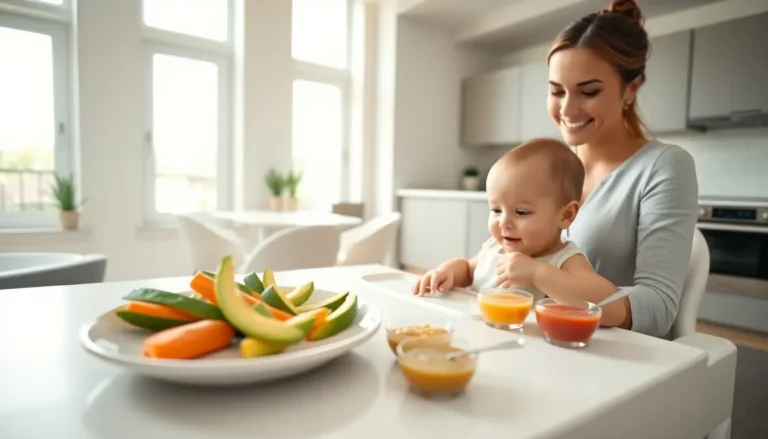
Steamed or roasted vegetables work wonderfully. Think sweet potato wedges, soft broccoli florets, and ripe avocado slices. Fruits like banana, ripe pear, and mango can be served in finger-length strips. Avoid hard raw vegetables like carrots until the baby develops more chewing strength.
Proteins
Babies can eat protein from the start. Offer shredded chicken, flaked salmon, scrambled eggs, or soft meatballs. Iron-rich foods are especially important around six months when iron stores from birth begin to deplete.
Grains and Starches
Soft pasta, toast strips with nut butter (if no allergy concerns), and well-cooked rice are good options. Oatmeal patties or pancakes give babies something easy to hold.
Foods to Avoid
Skip honey (risk of botulism before age one), whole nuts, popcorn, whole grapes, and hard chunks of food. Also avoid added salt and sugar. Babies don’t need them, and their kidneys can’t process excess sodium well.
One of the best baby-led weaning tips? Offer a variety early. Research shows introducing diverse foods in the first year can reduce allergies and expand palate preferences.
Essential Safety Tips to Keep in Mind
Safety is the top concern for parents considering baby-led weaning. Good news: with the right precautions, BLW is safe.
Understand the Difference Between Gagging and Choking
Gagging is normal. It’s a protective reflex that pushes food forward when it’s too big to swallow. Babies gag more than adults because their gag reflex sits further forward on the tongue. Gagging sounds loud, involves coughing, and usually resolves on its own.
Choking is silent. The airway is blocked, and the baby can’t cough or cry. This is an emergency. Every parent practicing baby-led weaning should learn infant CPR and the Heimlich maneuver for babies.
Serve Food Safely
- Cut round foods (grapes, cherry tomatoes, sausages) lengthwise, not into circles.
- Ensure food is soft enough to squish between your fingers.
- Always supervise meals. Never leave a baby eating alone.
- Seat the baby upright in a highchair. Reclined positions increase choking risk.
Stay Calm
Babies pick up on anxiety. If a parent panics every time the baby gags, mealtime becomes stressful. Trust the process. Gagging decreases as babies learn to manage food in their mouths.
Following these baby-led weaning tips reduces risk and builds confidence for both parent and child.
Managing the Mess and Setting Expectations
Let’s be honest: baby-led weaning is messy. Food ends up on the floor, in hair, on walls, and sometimes in places you didn’t know existed. That’s part of the experience.
Here are practical baby-led weaning tips to manage the chaos:
- Use a large splat mat or old shower curtain under the highchair. Cleanup becomes a quick wipe instead of a deep scrub.
- Dress the baby in a bib with a catch pocket or let them eat in just a diaper during warmer months.
- Embrace the mess as learning. Squishing, smearing, and dropping food are how babies explore textures. Sensory play with food builds comfort and curiosity.
- Limit portion sizes. Offer two or three pieces at a time. Less food on the tray means less food on the floor.
Realistic Expectations for the First Weeks
Most food won’t actually be eaten at first. Babies explore, taste, and spit out more than they swallow. That’s normal. Nutrition still comes primarily from breast milk or formula during this stage.
Progress looks different for every baby. Some take to solids quickly. Others need weeks to warm up. Avoid comparing your baby to others. The goal is exposure, not consumption.
By month two or three of baby-led weaning, most babies eat more and waste less. Patience pays off.