Table of Contents
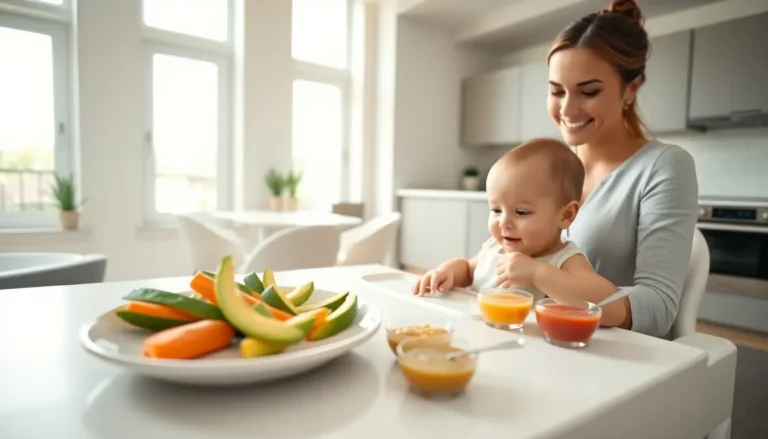
ToggleBaby-led weaning ideas can transform mealtime into an exciting adventure for both parents and babies. This feeding approach skips purees entirely and lets infants feed themselves soft, whole foods from the start. Instead of spoon-feeding, babies explore textures, flavors, and shapes at their own pace.
The method has gained serious popularity in recent years, and for good reason. Research shows that baby-led weaning may encourage healthier eating habits and better self-regulation. Parents also love the convenience of preparing one meal for the whole family.
This guide covers everything caregivers need to know about baby-led weaning. From the best starter foods to age-appropriate meal ideas and essential safety tips, these practical suggestions will help any family begin this feeding journey with confidence.
Key Takeaways
- Baby-led weaning lets infants self-feed soft, whole foods starting around six months, skipping purees entirely.
- Look for readiness signs like sitting independently, good head control, and interest in food before starting baby-led weaning.
- The best baby-led weaning ideas include soft fruits, steamed vegetables, and proteins cut into finger-length strips for easy gripping.
- Always supervise meals, ensure upright seating, and learn the difference between normal gagging and choking.
- Meal ideas should evolve with your baby’s development, from thick wedges at 6 months to more complex textures by 12 months.
- Avoid high-risk choking hazards like whole grapes, raw carrots, whole nuts, and hot dogs.
What Is Baby-Led Weaning and Why Try It
Baby-led weaning (BLW) is a feeding method where infants self-feed solid foods instead of eating purees from a spoon. The baby picks up finger foods and brings them to their mouth independently. This approach respects the child’s natural ability to chew and swallow.
The concept originated in the UK and was popularized by health visitor Gill Rapley in the early 2000s. Her research suggested that babies are developmentally ready to handle soft solids around six months of age.
Benefits of Baby-Led Weaning
Baby-led weaning ideas offer several advantages worth considering:
- Motor skill development: Babies practice their pincer grasp and hand-eye coordination during every meal.
- Exposure to variety: Infants experience different textures and flavors early, which may reduce picky eating later.
- Family meals together: Parents can eat alongside their baby instead of spending mealtime spoon-feeding.
- Self-regulation: Babies learn to stop eating when they feel full, supporting healthy appetite control.
Some studies indicate that babies who follow BLW show better food acceptance and lower rates of overweight. But, every child is different. Some families find a combination approach, mixing finger foods with some purees, works best for them.
When to Start Baby-Led Weaning
Most pediatricians recommend starting baby-led weaning around six months of age. Before this point, a baby’s digestive system and motor skills aren’t quite ready for solid foods.
Parents should watch for these developmental signs of readiness:
- Sitting independently: The baby can sit upright with minimal support.
- Head control: They hold their head steady without wobbling.
- Loss of tongue-thrust reflex: The baby no longer automatically pushes food out of their mouth.
- Interest in food: They reach for food on the table and watch others eat with curiosity.
- Ability to grasp objects: The baby can pick up items and bring them to their mouth.
Age alone isn’t the only factor. A four-month-old who seems interested in food still needs to wait until they meet these physical milestones. Rushing baby-led weaning can increase choking risks and frustrate both parent and child.
It’s also worth checking with a pediatrician before starting any baby-led weaning ideas. Some babies with developmental delays or medical conditions may need modified approaches.
Best First Foods for Baby-Led Weaning
The best baby-led weaning ideas start with foods that are soft, easy to grip, and low-risk for choking. Here are some excellent options to try first:
Fruits
- Ripe banana (leave some peel for grip)
- Soft pear slices
- Ripe avocado strips
- Steamed apple wedges
- Mango spears
Vegetables
- Steamed broccoli florets
- Roasted sweet potato sticks
- Soft-cooked carrot sticks
- Steamed zucchini spears
- Roasted butternut squash strips
Proteins
- Shredded chicken thighs
- Flaked salmon (bones removed)
- Scrambled eggs
- Soft meatballs
- Well-cooked lentils
Grains and Starches
- Toast strips with thin nut butter spread
- Soft-cooked pasta shapes
- Oatmeal fingers (baked into bars)
- Quinoa patties
The key is cutting foods into finger-length strips that babies can hold in their fist while still having something to gnaw on. Think about the size of an adult finger, that’s the target shape for most baby-led weaning foods.
Avoid honey (botulism risk under 12 months), whole nuts, hard raw vegetables, whole grapes, and anything with added salt or sugar.
Easy Baby-Led Weaning Meal Ideas by Age
Baby-led weaning ideas should evolve as infants develop new skills. Here’s what works best at each stage:
6 to 7 Months
At this stage, babies use a palmar grasp (whole hand). Offer:
- Thick avocado wedges
- Steamed broccoli trees with long stems
- Banana with half the peel on
- Soft-cooked sweet potato fries
- Toast soldiers with mashed avocado
Expect more exploration than actual eating. Babies are learning how food feels, smells, and tastes. Most nutrition still comes from breast milk or formula.
8 to 9 Months
The pincer grasp develops around this time. Babies can pick up smaller pieces:
- Blueberries (smashed slightly)
- Small chunks of ripe melon
- Pea-sized pieces of soft cheese
- Cooked peas
- Small pasta shapes like fusilli
- Shredded meat in bite-sized pieces
10 to 12 Months
By now, babies handle more complex textures and combinations:
- Mini pancakes with fruit
- Veggie fritters or patties
- Deconstructed tacos (soft tortilla pieces, beans, avocado)
- Pasta with tomato sauce
- Fish cakes
- French toast strips
These baby-led weaning ideas can match what the rest of the family eats, just hold the salt and modify textures as needed.
Safety Tips for Baby-Led Weaning
Safety matters most with any baby-led weaning approach. Parents can minimize risks by following these guidelines:
Choking Prevention
- Always supervise meals. Never leave a baby alone while eating.
- Ensure the baby sits fully upright in a highchair.
- Learn the difference between gagging (normal, productive) and choking (silent, dangerous).
- Take an infant CPR course before starting solids.
- Avoid high-risk foods: whole grapes, cherry tomatoes, popcorn, raw carrots, chunks of hard cheese, whole nuts, and hot dogs.
Food Preparation
- Cook vegetables until they smash easily between two fingers.
- Remove pits, seeds, and tough skins.
- Cut round foods lengthwise to eliminate the tube shape that blocks airways.
- Avoid sticky foods like large globs of nut butter.
Mealtime Environment
- Use a sturdy highchair with a footrest for stability.
- Keep distractions away, no TV or tablets during meals.
- Let the baby set the pace. Rushing increases choking risk.
Gagging looks and sounds scary, but it’s actually a protective reflex. Babies have a sensitive gag reflex positioned further forward on the tongue than adults. When they gag, they’re learning to move food around safely. Stay calm and let them work through it.
With proper preparation and supervision, baby-led weaning ideas are just as safe as traditional spoon-feeding methods.