Table of Contents
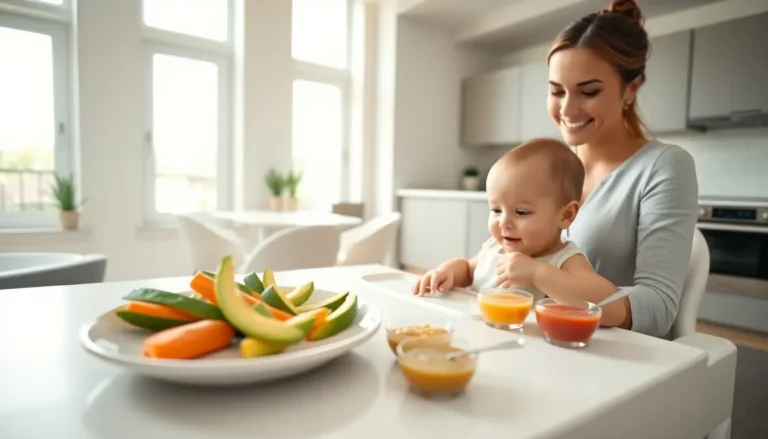
ToggleBaby-led weaning examples help parents introduce solid foods without purees or spoon-feeding. This approach lets babies feed themselves from the start, using soft finger foods they can grasp and explore. Many families choose baby-led weaning because it encourages independence and exposes infants to different textures early on.
Starting solids is a major milestone. Parents often wonder which foods work best and how to serve them safely. This guide covers practical baby-led weaning examples, from first foods to full meal ideas organized by age. It also includes safety tips every caregiver should know before getting started.
Key Takeaways
- Baby-led weaning lets babies self-feed soft finger foods from around six months, encouraging independence and early texture exploration.
- The best baby-led weaning examples include avocado wedges, banana spears, steamed broccoli, shredded chicken, and scrambled eggs.
- Cut foods into large, graspable pieces for beginners (6–7 months), then introduce smaller pieces as babies develop their pincer grasp (8–9 months).
- Always avoid choking hazards like whole grapes, nuts, popcorn, and thick nut butter—modify these foods or skip them entirely.
- Supervise every meal, seat your baby upright in a highchair, and learn infant CPR before starting baby-led weaning.
What Is Baby-Led Weaning?
Baby-led weaning (BLW) is a feeding method where babies self-feed soft, age-appropriate finger foods instead of being spoon-fed purees. The term was popularized by British health visitor Gill Rapley in the early 2000s. Since then, baby-led weaning has gained widespread popularity among parents worldwide.
With baby-led weaning, babies sit at the table with the family and choose what to eat from options placed in front of them. They pick up food, bring it to their mouths, and chew at their own pace. This differs from traditional weaning, where caregivers control the spoon and decide how much food goes in.
Most pediatricians recommend starting baby-led weaning around six months of age. At this point, babies typically show signs of readiness: they can sit up with minimal support, have lost the tongue-thrust reflex, and show interest in food. These developmental markers matter more than hitting a specific date on the calendar.
Baby-led weaning examples vary widely depending on what’s available and what the family eats. The core idea stays the same, babies learn to eat by doing, not by being fed. Research suggests this method may help babies develop better appetite regulation and reduce picky eating later in childhood.
Best First Foods for Baby-Led Weaning
Choosing the right first foods makes baby-led weaning safer and more enjoyable. The best options are soft enough to mash with gums, large enough to grip, and free from choking hazards.
Fruits and Vegetables
Soft fruits and cooked vegetables make excellent baby-led weaning examples for beginners. Here are top picks:
- Avocado: Cut into thick strips or wedges. The soft texture is perfect for new eaters.
- Banana: Leave half the peel on for easier gripping, or roll pieces in infant cereal to reduce slipperiness.
- Steamed broccoli: The floret creates a natural handle babies can hold.
- Roasted sweet potato: Cut into finger-length sticks and roast until soft.
- Ripe mango: Slice into spears. The fibrous texture helps babies learn to chew.
- Steamed carrots: Cook until very soft and cut lengthwise.
- Cucumber: For older babies, peel and cut into sticks. Remove seeds if large.
Always test softness by pressing the food between your fingers. If it squishes easily, it’s ready for baby.
Proteins and Starches
Protein and starch options round out baby-led weaning meals. These foods provide iron and energy for growing babies:
- Shredded chicken: Serve in large, soft pieces or strips that babies can gnaw.
- Salmon: Flake into large chunks. Omega-3 fatty acids support brain development.
- Scrambled eggs: Offer in soft clumps. Eggs are now recommended early to reduce allergy risk.
- Toast strips: Spread with nut butter (thinly) or mashed avocado. Avoid thick globs that could stick.
- Soft-cooked pasta: Large shapes like fusilli or penne work well for small hands.
- Ground beef: Form into flat patties or meatballs babies can hold.
- Beans: Offer whole black beans or smash larger beans slightly.
These baby-led weaning examples give babies exposure to different tastes, textures, and nutrients from the start.
Sample Baby-Led Weaning Meal Ideas by Age
Baby-led weaning looks different as babies grow. Their motor skills improve, and they can handle smaller pieces and more variety. Here are practical baby-led weaning examples organized by developmental stage.
6–7 Months: Getting Started
At this stage, babies are learning to grasp and bring food to their mouths. Offer large, soft pieces they can hold in their fists:
- Breakfast: Banana spears with a thin spread of almond butter
- Lunch: Steamed broccoli florets and avocado wedges
- Dinner: Soft-cooked sweet potato sticks and flaked salmon
8–9 Months: Building Skills
Babies develop the pincer grasp around this time. They can pick up smaller pieces:
- Breakfast: Scrambled eggs with soft toast strips
- Lunch: Shredded chicken, steamed carrot sticks, and ripe pear slices
- Dinner: Small pasta shapes with tomato sauce, cucumber spears, and cheese cubes
10–12 Months: Family Foods
Babies can eat most of what the family eats, cut into safe sizes:
- Breakfast: Oatmeal fingers, blueberries (smashed), and yogurt
- Lunch: Mini meatballs, roasted zucchini, and whole grain bread
- Dinner: Rice, soft-cooked green beans, and shredded beef
These baby-led weaning examples show progression. Start simple and add variety as your baby gains confidence and coordination.
Safety Tips for Baby-Led Weaning
Safety comes first with baby-led weaning. Gagging is normal, it’s how babies learn to move food around in their mouths. Choking is different and requires immediate action. Knowing the difference helps parents stay calm during meals.
Avoid High-Risk Foods
Certain foods pose choking hazards and should be avoided or modified:
- Whole grapes, cherry tomatoes, and berries (cut into quarters)
- Whole nuts (use nut butter spread thinly instead)
- Popcorn, hard candy, and raw carrots
- Hot dogs (if served, cut lengthwise and then into small pieces)
- Chunks of hard cheese (shred or offer thin slices)
- Sticky foods like thick peanut butter by the spoonful
Follow These Baby-Led Weaning Safety Rules
- Always supervise: Never leave a baby alone while eating.
- Sit upright: Use a highchair with proper back support. Babies should sit at a 90-degree angle.
- Skip distractions: Turn off screens. Let babies focus on their food.
- Learn infant CPR: Every caregiver should know how to respond to choking.
- Offer water: A small open cup or straw cup helps babies wash food down.
Baby-led weaning is safe when caregivers prepare foods correctly and stay present during meals. Trust the process, but always stay alert.