Table of Contents
ToggleBaby-led weaning strategies have changed how many families introduce solid foods to their infants. This approach skips purees and spoon-feeding entirely. Instead, babies feed themselves from the start using soft, age-appropriate finger foods.
The method has grown popular because it respects a baby’s natural development. Parents report less mealtime stress and more enjoyment around the dinner table. Babies learn to chew before they swallow, explore different textures, and develop independence early.
This guide covers everything parents need to know about baby-led weaning strategies. From recognizing readiness signs to choosing safe first foods, the information here helps families start this journey with confidence.
Key Takeaways
- Baby-led weaning strategies allow infants to self-feed soft, age-appropriate finger foods starting around six months, skipping purees entirely.
- Look for readiness signs like sitting upright, steady head control, and diminished tongue-thrust reflex before starting BLW.
- Always supervise meals and learn the difference between normal gagging (loud, protective) and choking (silent, dangerous).
- Offer soft, easy-to-grip foods like steamed vegetables, ripe fruits, and iron-rich proteins cut into finger-length strips.
- Expect mess and trust the process—breast milk or formula remains the primary nutrition source until around one year.
- Eat together as a family to model chewing and social eating behaviors, helping babies learn faster.
What Is Baby-Led Weaning?
Baby-led weaning (BLW) is a feeding method where infants self-feed solid foods from around six months of age. The term “weaning” refers to the gradual introduction of foods other than breast milk or formula. Unlike traditional weaning, parents don’t spoon-feed purees. The baby controls what goes into their mouth.
Gill Rapley, a British health visitor and midwife, popularized baby-led weaning strategies in the early 2000s. Her research showed that babies have natural abilities to feed themselves when given the opportunity.
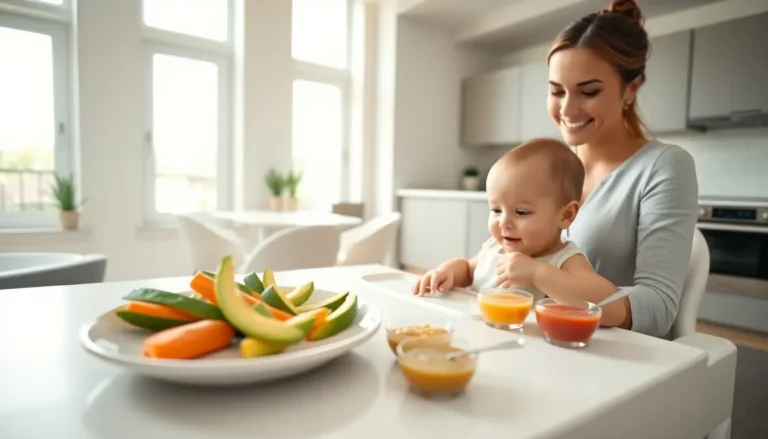
With BLW, babies sit at the family table and eat the same foods as everyone else (with modifications for safety). They grab food, bring it to their mouths, and learn to chew through practice. This process builds motor skills and hand-eye coordination.
Many parents appreciate that baby-led weaning strategies reduce the need for separate baby food preparation. Meals become shared family experiences rather than isolated feeding sessions.
When to Start Baby-Led Weaning
Most babies show readiness for baby-led weaning strategies around six months of age. But, age alone isn’t the only factor. Parents should watch for specific developmental signs.
Signs of Readiness
A baby ready for BLW can:
- Sit upright with minimal support
- Hold their head steady
- Bring objects to their mouth
- Show interest in food when others eat
- Make chewing motions
The tongue-thrust reflex should also diminish. This reflex pushes food out of the mouth automatically. When it fades, babies can move food to the back of their throat for swallowing.
Why Six Months Matters
Health organizations including the World Health Organization recommend exclusive breastfeeding or formula feeding until six months. At this age, babies’ digestive systems mature enough to handle solid foods. Their iron stores from birth also begin depleting, making iron-rich foods important.
Starting baby-led weaning strategies too early increases choking risks. Babies need the physical development to handle self-feeding safely.
Essential Safety Guidelines
Safety stands as the top priority with baby-led weaning strategies. Understanding the difference between gagging and choking helps parents stay calm during meals.
Gagging vs. Choking
Gagging is normal and protective. Babies have a sensitive gag reflex positioned far forward on the tongue. When food triggers it, they cough, sputter, and push the food forward. This prevents choking.
Choking is silent. A choking baby cannot cough, cry, or make noise. Their face may turn red or blue. Parents should learn infant CPR and the Heimlich maneuver before starting BLW.
Foods to Avoid
Certain foods pose choking hazards:
- Whole grapes, cherry tomatoes, and round foods (cut lengthwise)
- Whole nuts and large seeds
- Popcorn
- Raw hard vegetables like carrots
- Sticky foods like thick nut butters
- Honey (risk of botulism under age one)
Safe Feeding Practices
Baby-led weaning strategies work best when parents:
- Always supervise meals
- Ensure baby sits upright in a high chair
- Never leave baby alone with food
- Avoid distractions during eating
- Cut foods into appropriate shapes (finger-length strips work well)
Best First Foods to Offer
The best first foods for baby-led weaning strategies are soft, easy to grip, and nutritious. Foods should be soft enough to mash between your thumb and finger.
Vegetables
- Steamed broccoli florets (the stem makes a natural handle)
- Roasted sweet potato strips
- Soft-cooked zucchini spears
- Steamed carrot sticks (cooked until very soft)
- Avocado slices
Fruits
- Ripe banana (leave some peel for grip)
- Soft pear slices
- Ripe mango strips
- Steamed apple slices
- Watermelon strips (remove seeds)
Proteins
- Shredded chicken or turkey
- Soft-cooked fish (check for bones)
- Scrambled eggs
- Well-cooked beans, mashed slightly
- Strips of soft meatballs
Iron-Rich Options
Babies need iron after six months. Baby-led weaning strategies should include iron-rich foods like:
- Red meat strips
- Dark poultry meat
- Lentils
- Iron-fortified cereals mixed into foods
Offer variety early. Research shows babies exposed to different flavors and textures during weaning accept more foods later.
Tips for Successful Baby-Led Weaning
Success with baby-led weaning strategies comes from patience and realistic expectations. Here’s what helps families thrive.
Expect Mess
Babies learn through exploration. Food will end up on the floor, in hair, and everywhere except the mouth, especially at first. A large bib, a splat mat under the high chair, and wipeable surfaces make cleanup easier.
Trust the Process
Babies eat small amounts initially. Breast milk or formula remains the primary nutrition source until around one year. The first months of baby-led weaning strategies focus on exploration, not calories.
Eat Together
Babies learn by watching. When families eat together, babies observe chewing, swallowing, and social eating behaviors. This modeling speeds up the learning process.
Offer Food Multiple Times
Babies may reject a food ten or more times before accepting it. Keep offering previously refused foods without pressure. Tastes change.
Skip the Pressure
Baby-led weaning strategies work because babies control their intake. Avoid forcing, coaxing, or playing games to get more food in. Let babies stop when they signal they’re done.
Stay Consistent
Offer solids at regular mealtimes. Consistency helps babies understand eating routines and builds healthy habits.