Table of Contents
ToggleBaby-led weaning techniques give infants the chance to explore solid foods on their own terms. Instead of spoon-feeding purees, parents offer soft finger foods and let their baby take the lead. This approach builds independence, develops motor skills, and can make mealtimes less stressful for everyone involved.
Many parents feel curious, and maybe a little nervous, about skipping the puree stage altogether. The good news? Research shows baby-led weaning is safe when done correctly. This guide covers everything parents need to know, from timing and technique to food choices and common hurdles.
Key Takeaways
- Baby-led weaning techniques let infants self-feed soft finger foods instead of purees, building independence and motor skills from around six months of age.
- Look for readiness signs like sitting independently, good head control, and interest in food before starting baby-led weaning.
- Cut foods into finger-sized strips and offer soft, easy-to-gum options like steamed vegetables, ripe avocado, and scrambled eggs.
- Gagging is a normal safety mechanism during self-feeding—stay calm and let your baby work through it while always supervising meals.
- Avoid choking hazards like whole grapes, raw vegetables, nuts, and popcorn by modifying or eliminating them from your baby’s plate.
- Expect mess and varied appetite levels—some meals babies will eat eagerly, others they’ll mostly explore, and both are completely normal.
What Is Baby-Led Weaning?
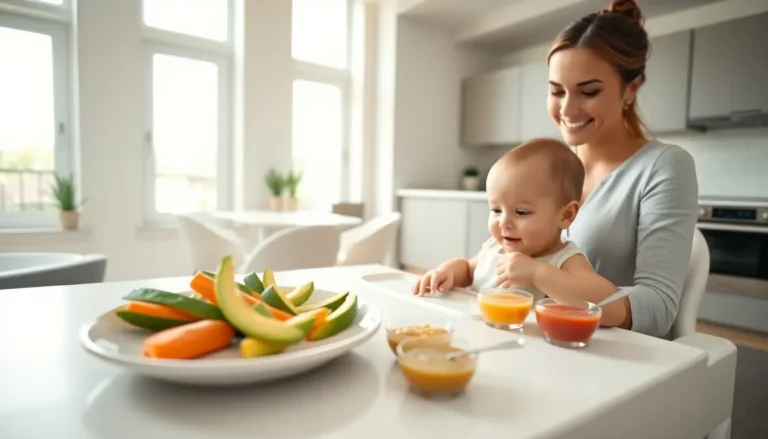
Baby-led weaning (BLW) is a feeding method where babies feed themselves solid foods from the start. There’s no spoon-feeding, no airplane noises, and no purees. Instead, parents place soft, appropriately sized foods in front of their baby and let them grab, explore, and eat at their own pace.
The term “baby-led weaning” was popularized by British health visitor Gill Rapley in the early 2000s. Her research suggested that babies are capable of self-feeding around six months of age, right when most pediatricians recommend starting solids anyway.
Baby-led weaning techniques differ from traditional weaning in a few key ways:
- Self-feeding: The baby controls what goes into their mouth.
- Whole foods: Parents offer soft pieces of real food rather than pureed versions.
- Family meals: Babies often eat the same foods as the rest of the family (with modifications for safety).
Proponents of baby-led weaning argue it helps babies develop healthy eating habits. Because they control their intake, they may be better at recognizing hunger and fullness cues. Some studies also suggest BLW babies are less likely to become picky eaters, though more research is needed.
When to Start Baby-Led Weaning
Most experts recommend starting baby-led weaning around six months of age. At this point, most babies have developed the skills they need for self-feeding.
Before offering solid foods, parents should look for these readiness signs:
- Sitting independently: The baby can sit upright with minimal support.
- Good head control: They hold their head steady without wobbling.
- Loss of tongue-thrust reflex: They no longer automatically push food out of their mouth.
- Interest in food: They reach for food or watch others eat with curiosity.
Some babies hit these milestones earlier, some later. That’s normal. The six-month guideline exists because most babies aren’t developmentally ready before then, and starting too early can increase choking risks.
Pediatricians generally advise against starting baby-led weaning before four months. The baby’s digestive system and motor skills simply aren’t ready. If a baby seems interested in food before six months, parents should discuss timing with their healthcare provider.
Once a baby shows all the readiness signs, they’re likely good to go. There’s no need to rush, babies get most of their nutrition from breast milk or formula until around 12 months.
Essential Baby-Led Weaning Techniques
Getting started with baby-led weaning techniques doesn’t require special equipment or training. A few simple strategies make the process smoother.
Offer Appropriate Finger Foods
Food should be cut into strips or sticks about the size of an adult finger. This shape is easier for babies to grip with their whole fist. As their pincer grasp develops (usually around 8-9 months), parents can introduce smaller pieces.
Let the Baby Lead
This sounds obvious, but it’s the hardest part. Parents should resist the urge to put food in their baby’s mouth. The baby decides what to pick up, how much to eat, and when to stop. Some meals, they’ll eat a lot. Others, they’ll mostly play. Both are fine.
Stay Calm During Gagging
Gagging is common and usually not dangerous. It’s actually a safety mechanism that prevents choking. When a baby gags, they’re learning to move food around in their mouth. Parents should stay calm and let the baby work through it.
Eat Together
Babies learn by watching. Sitting down to eat with their baby shows them how it’s done. Family mealtimes also make the experience social and enjoyable.
Skip Distractions
Turn off the TV. Put away phones. Baby-led weaning works best when the baby can focus on eating. Distractions can also increase choking risk if the baby isn’t paying attention to the food in their mouth.
Safe Food Choices and Preparation Tips
Safe baby-led weaning techniques depend heavily on food selection and preparation. Not all foods are appropriate for beginning eaters.
Best First Foods
Soft, easy-to-gum foods work best for babies just starting out:
- Steamed broccoli florets
- Ripe avocado slices
- Soft-cooked sweet potato sticks
- Banana spears (with some peel left on for grip)
- Steamed carrot sticks
- Soft scrambled eggs
- Shredded chicken or flaked salmon
These foods should be soft enough to squish between a parent’s fingers. If it’s too hard for an adult to mash, it’s too hard for a baby.
Foods to Avoid
Certain foods pose choking hazards and should be avoided or modified:
- Whole grapes, cherry tomatoes, or berries: Cut these in half or quarters.
- Raw vegetables: Steam or cook until soft.
- Nuts and seeds: These are choking hazards: use nut butters spread thin instead.
- Popcorn, chips, and hard candies: Avoid completely.
- Honey: Not safe for babies under one year due to botulism risk.
Preparation Tips
Always supervise meals closely. Babies should sit upright in a highchair, never reclined. Cut round foods into strips or quarter them. And avoid adding salt or sugar to baby’s portions: their kidneys can’t handle excess sodium yet.
Common Challenges and How to Overcome Them
Baby-led weaning techniques come with a learning curve. Here are the most common challenges parents face, and practical solutions.
The Mess
Let’s be honest: baby-led weaning is messy. Food ends up on the floor, in hair, smeared across the highchair. Parents can minimize cleanup by using a large splat mat under the highchair and dressing the baby in a long-sleeved bib. But some mess is inevitable. Embrace it.
Worrying About Choking
Fear of choking is the number one concern parents have about baby-led weaning. The key distinction: gagging isn’t choking. Gagging is loud, visible, and the baby typically resolves it themselves. Choking is silent and requires intervention.
To reduce choking risk:
- Always supervise meals
- Avoid high-risk foods
- Make sure the baby sits upright
- Learn infant CPR for peace of mind
Baby Doesn’t Seem Interested
Some babies take to self-feeding immediately. Others need time. If a baby shows little interest in food, parents shouldn’t force it. They can keep offering foods at mealtimes without pressure. Most babies become more interested as they practice.
Pressure From Family
Grandparents or other family members may question baby-led weaning techniques. They might worry the baby isn’t eating enough or insist on spoon-feeding purees. Parents can share research on the benefits of BLW, or simply explain that the pediatrician supports their approach.