Table of Contents
ToggleLearning how to baby-led weaning can feel like a big step for new parents. This feeding approach skips purees and spoon-feeding entirely. Instead, babies feed themselves soft, whole foods from the start.
Baby-led weaning has grown popular in recent years. Research shows it may help babies develop better eating habits and motor skills. But many parents still have questions about safety, timing, and which foods to offer first.
This guide covers everything parents need to know. It explains what baby-led weaning is, when to start, which foods work best, and how to keep babies safe during meals.
Key Takeaways
- Baby-led weaning skips purees entirely, allowing babies to feed themselves soft, finger-sized whole foods from the start.
- Most babies are ready to start baby-led weaning around six months when they can sit up, have lost the tongue thrust reflex, and show interest in food.
- Ideal first foods include avocado wedges, banana, steamed vegetables, and iron-rich proteins like shredded chicken or scrambled eggs.
- Gagging is a normal safety mechanism during baby-led weaning, while true choking is silent and requires immediate action.
- Always supervise meals, ensure babies sit upright, and cut foods into safe shapes—avoid round pieces that can block airways.
- Introduce common allergens like peanut butter, eggs, and fish early, as research suggests this may reduce allergy risk.
What Is Baby-Led Weaning?
Baby-led weaning is a feeding method where babies feed themselves solid foods. Parents skip the traditional puree stage. They offer soft, finger-sized pieces of food instead.
The term “weaning” refers to introducing solid foods alongside breast milk or formula. It doesn’t mean stopping milk feeds. Babies continue drinking milk while they explore new foods.
With baby-led weaning, babies control what they eat and how much. They pick up food, bring it to their mouths, and chew at their own pace. This approach differs from traditional spoon-feeding, where parents control portion sizes and feeding speed.
Gill Rapley, a British health visitor and midwife, popularized baby-led weaning in the early 2000s. She argued that babies are capable of feeding themselves once they can sit up independently.
Parents who practice baby-led weaning report several benefits. Babies often become less picky eaters. They develop hand-eye coordination faster. Family mealtimes become simpler because babies eat the same foods as everyone else.
Baby-led weaning also teaches babies to recognize hunger and fullness cues early. They stop eating when satisfied rather than finishing a set amount of puree. This self-regulation may support healthier eating habits later in life.
When to Start Baby-Led Weaning
Most babies are ready to start baby-led weaning around six months of age. The American Academy of Pediatrics and World Health Organization both recommend starting solid foods at this time.
Before six months, babies’ digestive systems aren’t fully developed. Their tongues still have a strong “thrust reflex” that pushes food out of their mouths. Starting too early increases choking risks and offers no nutritional benefit.
But, age alone doesn’t determine readiness. Some babies hit developmental milestones earlier or later than others. Parents should watch for specific signs that their baby is prepared for solid foods.
Signs Your Baby Is Ready
The first sign is sitting up with minimal support. Babies need good head and neck control to swallow safely. A baby who slumps over or can’t hold their head steady isn’t ready for baby-led weaning.
The second sign is lost tongue thrust reflex. Young babies automatically push objects out of their mouths with their tongues. This reflex typically fades around five to six months. Parents can test this by offering a soft food, if the baby pushes it out repeatedly, they need more time.
The third sign is the pincer grasp or developing hand coordination. Babies don’t need a perfect pincer grasp to start. But they should be able to grab objects and bring them to their mouths intentionally.
The fourth sign is genuine interest in food. Ready babies watch others eat. They reach for food on the table. They may even open their mouths when they see someone eating.
All four signs should be present before starting baby-led weaning. Meeting just one or two isn’t enough. Parents who feel unsure should consult their pediatrician for guidance.
Best First Foods for Baby-Led Weaning
The best first foods for baby-led weaning are soft, easy to grip, and nutritious. Foods should be cut into finger-sized strips or sticks. This shape lets babies hold the food in their fists while gnawing on the exposed end.
Avocado makes an excellent starter food. It’s soft, nutrient-dense, and easy to prepare. Parents can cut ripe avocado into thick wedges. Rolling the pieces in infant cereal or ground flaxseed helps babies grip the slippery surface.
Banana works well too. Cut it into thirds, leaving part of the peel on for better grip. Very ripe bananas are softer and easier for babies to mash with their gums.
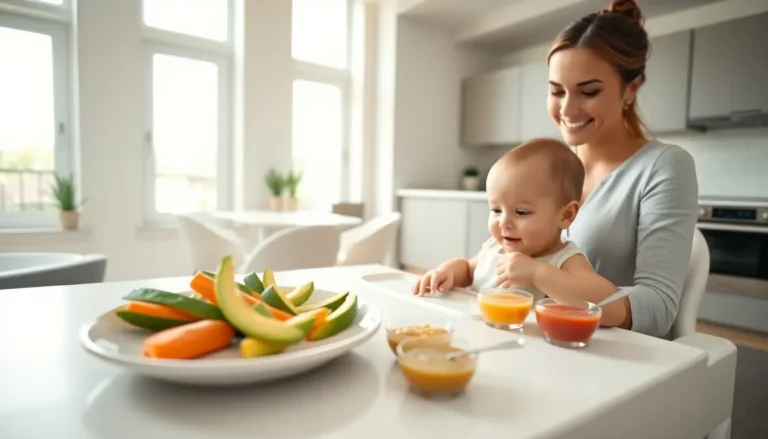
Steamed vegetables are baby-led weaning staples. Broccoli florets, sweet potato sticks, carrot spears, and zucchini strips all work well. Steam vegetables until they’re soft enough to squish between two fingers.
Protein options include shredded chicken, flaked salmon, scrambled eggs, and soft meatballs. Babies need iron-rich foods starting around six months. Their iron stores from birth begin depleting at this age.
Fruits like mango, peach, and pear offer natural sweetness. Choose ripe fruits and cut them into manageable pieces. Some parents freeze banana or mango strips slightly, this reduces mess and soothes teething gums.
Foods to avoid include honey (until age one), whole nuts, whole grapes, raw carrots, popcorn, and hard candies. These present choking hazards or, in honey’s case, a botulism risk.
Parents should introduce common allergens early during baby-led weaning. Peanut butter (thinned and spread on toast), eggs, dairy, wheat, and fish can all be offered around six months. Research shows early introduction may reduce allergy risk.
Safety Tips and Choking Prevention
Safety is the top concern for parents learning how to baby-led weaning. The good news? Studies show baby-led weaning doesn’t increase choking risk when done correctly.
First, understand the difference between gagging and choking. Gagging is normal and expected. Babies gag as they learn to move food around their mouths. They may cough, splutter, or look uncomfortable. But gagging is a safety mechanism, it prevents choking.
Choking is silent. A choking baby can’t cough, cry, or make noise. Their face may turn red or blue. This is an emergency requiring immediate action.
Every parent practicing baby-led weaning should learn infant CPR and choking first aid. Local hospitals, community centers, and organizations like the Red Cross offer classes. Online courses provide another option.
Always supervise babies during meals. Never leave a baby alone with food. Sit with them, watch them eat, and stay calm if they gag.
Proper positioning matters for safe baby-led weaning. Babies should sit upright in a highchair. They shouldn’t recline or slump. Good posture helps babies swallow safely.
Cut food into safe shapes and sizes. Avoid round, coin-shaped pieces that can block airways. Cut grapes and cherry tomatoes lengthwise into quarters. Remove pits and seeds from fruits.
Test food softness before serving. If you can squish it between your thumb and forefinger, it’s soft enough. Hard foods like raw apple or carrot should be grated, cooked, or avoided entirely.
Stay calm during mealtimes. Babies pick up on parental anxiety. A relaxed atmosphere helps babies explore food confidently. Trust the process, most babies adapt to baby-led weaning quickly once they get started.