Table of Contents
ToggleHypnobirthing trends 2026 show a clear shift toward accessible, flexible, and inclusive birth preparation. More expecting parents are choosing self-hypnosis and relaxation techniques to manage labor. This approach reduces fear and promotes calm during childbirth. As healthcare evolves, hypnobirthing is becoming a mainstream option rather than an alternative fringe practice.
This article covers the key hypnobirthing trends 2026 will bring. Parents will discover how digital programs, medical integration, cultural inclusivity, and partner involvement are shaping the future of birth preparation.
Key Takeaways
- Hypnobirthing trends 2026 highlight a shift toward digital programs, with apps and online courses offering affordable, flexible birth preparation from $50 to $200.
- Hospitals and birthing centers are integrating hypnobirthing into standard prenatal care, with some insurance companies now covering courses as preventive care.
- Culturally inclusive hypnobirthing programs now offer content in multiple languages and feature instructors from diverse backgrounds to serve all families.
- Partner involvement is central to 2026 hypnobirthing trends, with dedicated content teaching support techniques like light touch massage and verbal cues.
- Virtual reality (VR) is emerging as a tool to simulate calming birth environments, potentially reducing anxiety more effectively than audio-only methods.
- Modern hypnobirthing programs use inclusive language and offer personalized options for LGBTQ+ families, single parents, and those with trauma histories.
The Rise of Digital Hypnobirthing Programs
Digital hypnobirthing programs are growing fast. Online courses, mobile apps, and virtual coaching sessions now give parents flexible access to birth preparation from home. This trend accelerates as technology improves and busy schedules demand convenience.
Several factors drive this shift. First, affordability matters. In-person hypnobirthing classes often cost $300 to $500 or more. Digital programs typically range from $50 to $200. Second, accessibility plays a role. Parents in rural areas or those with limited mobility can now access quality instruction. Third, repetition helps. Digital formats let users replay audio tracks and revisit lessons as often as needed.
Popular platforms offer guided meditation tracks, breathing exercises, and video demonstrations. Some apps include progress tracking and reminders. Others provide live Q&A sessions with certified hypnobirthing instructors. Parents can learn hypnobirthing techniques at their own pace, during lunch breaks, before bed, or on weekend mornings.
Virtual reality (VR) is emerging as a new tool in hypnobirthing trends 2026. Some programs use VR to simulate calming birth environments. Parents practice relaxation while immersed in peaceful visual and audio settings. Early research suggests VR-enhanced hypnobirthing may reduce anxiety more effectively than audio-only methods.
Digital hypnobirthing doesn’t replace human connection entirely. Many programs now combine self-paced learning with live online support groups. This hybrid model offers both flexibility and community.
Integration With Medical Birth Plans
Hypnobirthing is moving from alternative practice to accepted birth preparation method. Hospitals and birthing centers increasingly recognize its benefits. This integration marks one of the most significant hypnobirthing trends 2026 will showcase.
Healthcare providers are taking notice. Studies show hypnobirthing can reduce requests for epidurals and other pain interventions. Research also links hypnobirthing to shorter labor times and lower rates of cesarean delivery. These outcomes appeal to both parents and medical teams.
Some hospitals now offer hypnobirthing classes as part of standard prenatal care. Others train nurses and midwives in basic hypnobirthing support techniques. This means staff can guide breathing exercises and use calming language during labor, even if parents didn’t take a formal course.
Birth plans are evolving too. More parents include hypnobirthing preferences in their written plans. They request dim lighting, minimal interruptions, and permission to use audio tracks during labor. Medical teams are learning to accommodate these requests when safety allows.
The integration isn’t without challenges. Some providers remain skeptical. Others worry about liability or lack training. But the trend points toward greater acceptance. Insurance companies in certain regions now cover hypnobirthing courses as preventive care. This financial support encourages more parents to try hypnobirthing.
Hypnobirthing works alongside medical care, not against it. Parents can use relaxation techniques whether they choose an unmedicated birth or receive an epidural. The goal is calm, well-informed choice-making during labor.
Personalized and Culturally Inclusive Approaches
Hypnobirthing trends 2026 reflect growing demand for personalized and culturally inclusive programs. One-size-fits-all approaches no longer satisfy diverse populations of expecting parents.
Personalization starts with language. More hypnobirthing courses now offer content in Spanish, Mandarin, Hindi, and other widely spoken languages. Translations go beyond words, they adapt imagery, examples, and metaphors to resonate with different cultural backgrounds.
Instructors from diverse communities are entering the field. These practitioners bring lived experience and cultural understanding to their teaching. A Black doula trained in hypnobirthing, for example, may address specific concerns Black mothers face in healthcare settings. A South Asian instructor might incorporate breathing techniques familiar from yoga traditions.
Religious and spiritual preferences also shape personalization. Some parents want secular hypnobirthing content. Others prefer programs that align with their faith. New courses offer options, guided meditations without religious references alongside versions that include prayer or spiritual affirmations.
LGBTQ+ families benefit from inclusive language updates. Modern hypnobirthing programs avoid assumptions about family structure. They use terms like “birthing parent” and “support partner” rather than exclusively gendered language. This shift welcomes all families into the practice.
Personalization extends to individual needs too. Parents with trauma histories can access hypnobirthing programs designed with extra care around triggering content. Those with anxiety disorders find courses that emphasize grounding techniques. Athletes might prefer programs that frame breathing exercises like sports training.
This diversity makes hypnobirthing accessible to more families than ever before.
Partner Involvement and Support Techniques
Partners play a bigger role in hypnobirthing trends 2026. Birth preparation is becoming a team activity rather than something the pregnant person does alone.
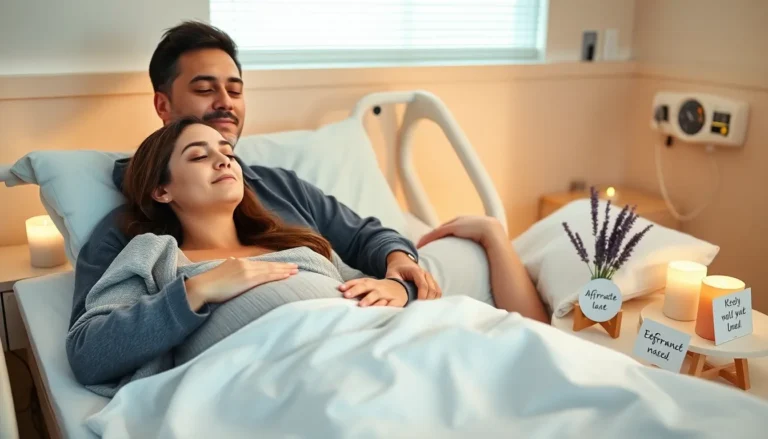
Hypnobirthing programs now dedicate significant content to partners. They learn specific techniques: light touch massage, verbal cues, and how to create a calm environment. Partners practice alongside the birthing parent during pregnancy. This preparation builds confidence for both.
Research supports partner involvement. Studies show that active partner participation during hypnobirthing practice correlates with better birth outcomes. Partners who know the techniques can provide effective support during labor. This reduces reliance on medical staff for emotional reassurance.
New tools help partners contribute. Some apps include “partner mode” with specific instructions and reminders. Others offer separate audio tracks designed for partners to play during labor. These resources make it easier for partners to feel useful and engaged.
Partner involvement also strengthens relationships. Couples who practice hypnobirthing together report feeling more connected during pregnancy. The shared experience creates a foundation for teamwork in early parenting.
Not all partners feel comfortable with hands-on roles. Hypnobirthing programs acknowledge this reality. They offer alternative ways to contribute, managing the birth environment, communicating with medical staff, or simply being present. Every level of involvement has value.
Single parents and those without partners aren’t excluded from hypnobirthing trends 2026. Programs now include content for solo practice. Some courses help parents identify a support person, a friend, family member, or doula, and teach that person basic hypnobirthing support techniques.