Table of Contents
ToggleBaby-led weaning trends 2026 show significant shifts in how parents introduce solid foods to infants. This feeding approach lets babies self-feed finger foods from the start, skipping purees entirely. More families now choose this method, and the strategies continue to evolve.
The coming year brings fresh ideas about textures, allergen timing, and technology integration. Parents want practical guidance that fits modern lifestyles. This article covers the key baby-led weaning trends 2026 will bring, from texture-first methods to sustainability-focused food choices.
Key Takeaways
- Baby-led weaning trends 2026 emphasize texture-first feeding, where babies explore varied soft foods from day one to reduce picky eating later.
- Early allergen introduction (starting at 4–6 months) is now a core strategy, with studies showing up to 80% reduction in peanut allergy risk.
- Apps and digital tools help parents track foods, monitor reactions, and get age-appropriate meal ideas for baby-led weaning.
- Sustainability drives plant-forward first foods, with more families choosing lentils, tofu, and local produce to reduce environmental impact.
- Parents integrate allergens into regular family meals, making baby-led weaning practical for busy modern lifestyles.
- The texture-first approach builds oral motor skills and mealtime independence while saving time compared to puree preparation.
The Rise of Texture-First Feeding Approaches
Texture-first feeding has become a defining feature of baby-led weaning trends 2026. Parents now prioritize varied textures over smooth purees from day one. Research supports this shift, showing that early texture exposure reduces picky eating later.
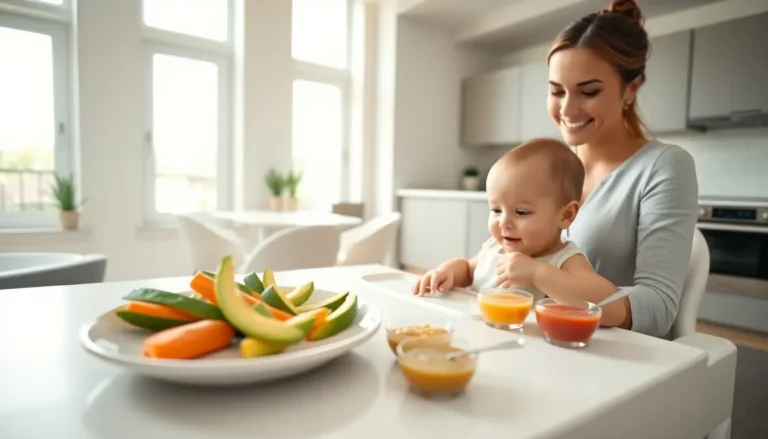
The approach works simply: babies receive soft, graspable foods they can explore independently. Think steamed broccoli florets, ripe avocado strips, or well-cooked sweet potato wedges. These foods offer different mouthfeels that help develop oral motor skills.
Pediatric feeding specialists recommend introducing multiple textures within the first few weeks of starting solids. A baby might try mashed banana on Monday, then lumpy oatmeal on Wednesday, then soft pasta on Friday. This variety builds acceptance and confidence.
Parents report several benefits from texture-first methods:
- Babies learn to chew before they swallow
- Mealtimes become interactive family experiences
- Food preparation takes less time than making purees
- Babies develop independence around eating
The texture-first trend also addresses a common concern. Many parents worried that babies couldn’t handle anything but smooth foods. Current evidence shows otherwise. Babies around six months can manage soft solids when cut appropriately and served safely.
This baby-led weaning trend reflects a broader move toward trusting infant capabilities. Parents act as guides rather than controllers during meals.
Allergen Introduction Strategies Gaining Momentum
Early allergen introduction stands out among baby-led weaning trends 2026. Guidelines now recommend exposing babies to common allergens starting at four to six months. This represents a major change from previous advice that suggested waiting.
The science is clear. Studies like the LEAP trial showed that early peanut introduction reduced peanut allergy rates by up to 80% in high-risk infants. Similar findings apply to eggs, dairy, and other allergens.
Parents following baby-led weaning integrate allergens directly into finger foods. A thin spread of peanut butter on toast strips works well. Scrambled eggs cut into grabbable pieces offer another option. These foods fit naturally into the self-feeding approach.
The strategy involves consistent, repeated exposure. Experts suggest offering each allergen two to three times per week after successful introduction. This frequency maintains tolerance and reduces allergy risk.
Key allergens parents introduce early include:
- Peanuts (via smooth butter, not whole nuts)
- Eggs (well-cooked)
- Cow’s milk products (cheese, yogurt)
- Tree nuts (as butters or finely ground)
- Fish and shellfish
- Wheat
- Soy
- Sesame
Baby-led weaning makes this process straightforward. Parents can incorporate allergens into regular family meals rather than preparing separate dishes. A baby eating dinner with the family might have the same fish everyone else enjoys, just in an appropriate form.
This allergen-forward trend requires some caution. Parents should introduce one new allergen at a time and watch for reactions. Most pediatricians recommend waiting three days between new allergens to identify any issues clearly.
Technology and Apps Shaping Baby-Led Weaning
Digital tools have transformed baby-led weaning trends 2026. Parents now use apps, trackers, and online communities to support their feeding journey. These resources provide guidance that previous generations lacked.
Popular baby-led weaning apps offer meal ideas organized by age and skill level. They suggest foods, portion sizes, and preparation methods. Many include photo libraries showing proper food cuts for different developmental stages.
Tracking features help parents monitor several factors:
- Which foods baby has tried
- Allergic reactions or sensitivities
- Preferred and rejected foods
- Nutritional balance over time
Some apps send reminders for allergen re-introduction. Others connect to grocery delivery services for convenient shopping. The integration saves time for busy families.
Online communities represent another tech-driven baby-led weaning trend. Parents share photos of meals, ask questions, and celebrate milestones together. These groups provide peer support that many find invaluable during the sometimes messy early days.
Video content has also expanded dramatically. Short clips demonstrate cutting techniques, show babies eating safely, and explain gagging versus choking. Visual learning helps parents feel more confident about what’s normal.
Wearable tech enters the picture too. Some parents use smart bibs that track food intake or monitor for choking signs. While not yet mainstream, these devices point toward future possibilities.
The technology trend doesn’t replace professional guidance. Pediatricians and feeding therapists remain essential resources. But apps and digital tools fill gaps between appointments and provide daily support for baby-led weaning practices.
Sustainability and Plant-Forward First Foods
Environmental awareness shapes baby-led weaning trends 2026 significantly. Parents increasingly choose sustainable, plant-forward options for their babies’ first foods. This trend reflects broader values about food systems and climate impact.
Plant-based proteins appear more frequently on high chairs. Lentils, chickpeas, tofu, and beans provide iron and nutrition without the environmental footprint of meat. These foods work well for baby-led weaning when prepared with appropriate textures.
Local and seasonal eating gains traction too. Parents select produce that grows nearby rather than importing exotic options. A baby in the Pacific Northwest might start with local berries and squash. One in the Southwest could begin with regional peppers and citrus.
Food waste reduction influences meal planning. Parents prepare portions babies can actually finish. Leftover adult meals get repurposed for baby-friendly versions. Scraps become stocks or compost rather than trash.
Packaging matters to eco-conscious families. Many avoid single-serve pouches and pre-made baby foods wrapped in plastic. Instead, they prepare whole foods at home using minimal packaging. Glass containers replace disposable options for storage.
Organic choices remain popular within this trend. Parents prioritize organic versions of the “dirty dozen” produce items with highest pesticide residues. They balance organic purchases with budget realities.
The plant-forward baby-led weaning approach doesn’t mean eliminating animal products entirely. Most families maintain balance. They might offer fish twice weekly, eggs regularly, and plant proteins for remaining meals. This pattern reduces environmental impact while meeting nutritional needs.
Baby-led weaning naturally supports sustainability goals. Babies eat what families eat, reducing food preparation duplication. The method encourages whole foods over processed alternatives. These factors align with eco-friendly values many parents hold.